
Published as part of my ongoing study of sports interviewing techniques and sports media storytelling.
About This Analysis
Source Interview: Mike Tirico Interviews Lance Armstrong (NBC Sports, 2019)
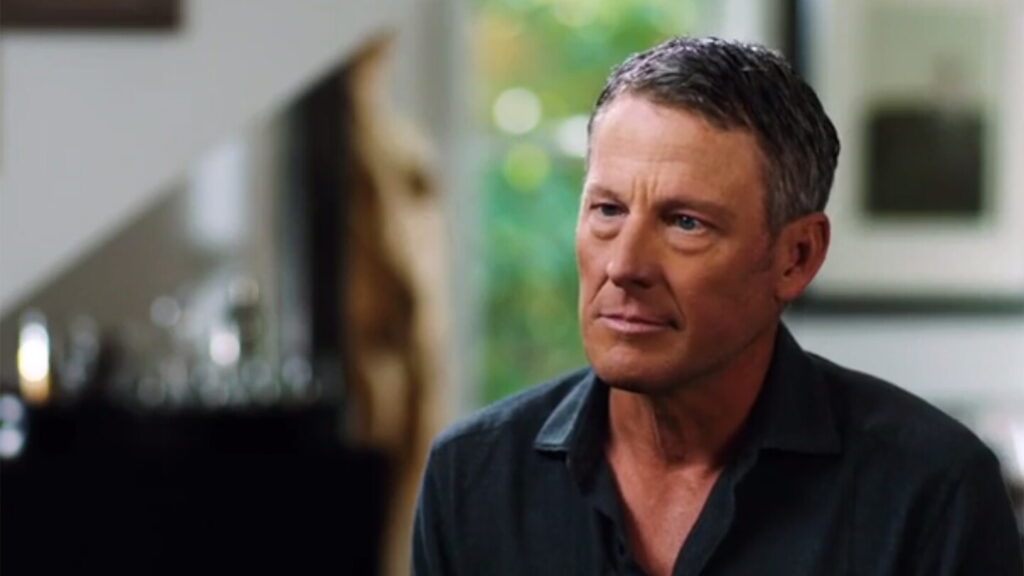
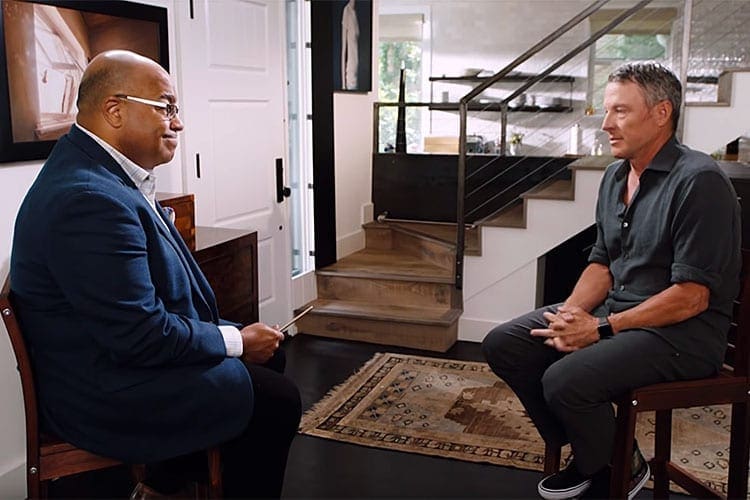
This case study examines Mike Tirico’s 2019 interview with Lance Armstrong on NBC Sports. Rather than focusing solely on the facts of Armstrong’s doping scandal, this review analyzes the interview itself—highlighting the questions that generated meaningful insight, evaluating Tirico’s interviewing approach, and exploring how the conversation addressed accountability, legacy, and personal reflection.
The Setup
Interviewing Lance Armstrong presents a unique challenge because most viewers already know the major facts of his story. The public knows about the Tour de France victories, his battle with cancer, the doping scandal, and his eventual downfall. Because of that, Mike Tirico’s responsibility was not to uncover new facts but to uncover new understanding. Overall, I thought Tirico conducted a thoughtful and balanced interview. Rather than spending the entire conversation reliving Armstrong’s past, he focused on accountability, personal growth, and legacy. The interview was most effective when Tirico encouraged Armstrong to reflect on who he is today rather than simply defend who he was in the past.
Questions That Worked
One of the strongest moments came early in the interview when Tirico asked:
“If a young athlete came to you and said, ‘I’m thinking about entering the performance-enhancing drug world because others are doing it,’ what would you tell them?”
This question immediately established the tone of the interview. Instead of asking Armstrong to explain his own decisions, Tirico forced him to think about the lessons he would pass on to someone facing a similar situation. Armstrong’s answer revealed a more personal side of him, especially when he spoke about his children and emphasized education, relationships, and life beyond sports. The question worked because it focused on what Armstrong had learned rather than what he had done.
Another effective exchange came when Tirico asked:
“Did you just believe your own lies? Did you get lost in that cocoon you built around yourself?”
This question stood out because it explored Armstrong’s psychology rather than the facts of the scandal. Most viewers already know that Armstrong lied. Tirico’s question focused on how years of deception became possible. Armstrong admitted that he always knew the truth but explained how difficult it became to stop once the lies had started. This produced one of the interview’s most revealing moments because it explored mindset rather than controversy.
The strongest question in the interview may have been:
“You were driven by a win-at-all-costs mentality. Are you ever afraid that guy is going to come back?”
This question shifted the focus away from Armstrong’s past and toward his present character. His answer was immediate and surprisingly honest. He admitted that he fears that version of himself could return and that personal growth is an ongoing process. The exchange revealed vulnerability rather than defensiveness and demonstrated Tirico’s ability to ask questions that encourage self-reflection instead of simply generating headlines.
Questions That Didn’t Land
While most of Tirico’s questions were effective, a few did not generate the same level of insight.
One example was:
“Do you wish you never did it?”
By this point in the interview, Armstrong had already repeated several times that he would not change his past because it shaped who he is today. The response felt repetitive and did not offer much new information. The answer reinforced a point that had already been established rather than expanding the conversation.
Another question that felt less impactful was:
“Do you think America is ready to accept you in that role?”
This question referred to Armstrong’s work as an entrepreneur and venture capitalist. While the topic was relevant to his current life, the response focused on business success and investor confidence. Compared to the interview’s deeper discussions about accountability and personal growth, this exchange felt disconnected from the central themes and slowed the momentum of the conversation.
Tirico’s Strengths
Tirico’s greatest strength throughout the interview was his ability to balance accountability and empathy. He never allowed the conversation to become a public relations exercise, but he also avoided turning it into an interrogation. He challenged Armstrong when necessary while maintaining a calm and conversational tone.
One example occurred when Armstrong denied leading others toward doping. Rather than arguing with him, Tirico responded by pointing out that many people viewed the situation differently and asked Armstrong to reconcile that perception. This demonstrated strong preparation and active listening.
Most importantly, Tirico consistently focused on character rather than controversy. Instead of repeatedly asking about doping, he explored regret, growth, self-awareness, and responsibility. As a result, the interview became less about cycling and more about understanding how Armstrong views himself after one of the most public falls from grace in sports history.
Missed Opportunities
Although the interview was strong overall, there were a few moments where Tirico could have pushed further.
The biggest missed opportunity came when Armstrong repeatedly stated:
“I wouldn’t change a thing.”
This is a remarkable statement considering the damage caused by his actions. Tirico could have challenged that idea more directly by asking how Armstrong reconciles that statement with the people who felt betrayed by him. Such a follow-up could have produced a deeper discussion about accountability and consequences.
Another missed opportunity involved the people Armstrong publicly attacked during years of denial. While Armstrong acknowledged his behavior, the interview never spent much time discussing the lasting impact on those individuals. A question such as, “Which apology was the hardest to make?” or “What do you think those people lost because of your actions?” might have produced even more meaningful answers.
Closing Thoughts
Overall, I found the interview to be both engaging and insightful. Tirico’s strongest moments came when he moved beyond the facts of the scandal and focused on Armstrong’s character, growth, and self-reflection. While there were a few missed opportunities for deeper accountability, the interview succeeded because it asked viewers to consider a larger question: not whether Lance Armstrong can change the past, but whether genuine growth is possible after public failure. In that sense, Tirico accomplished something many interviewers fail to do—he transformed a familiar story into a meaningful conversation about accountability, identity, and redemption.